
Tympanic Membrane Perforation
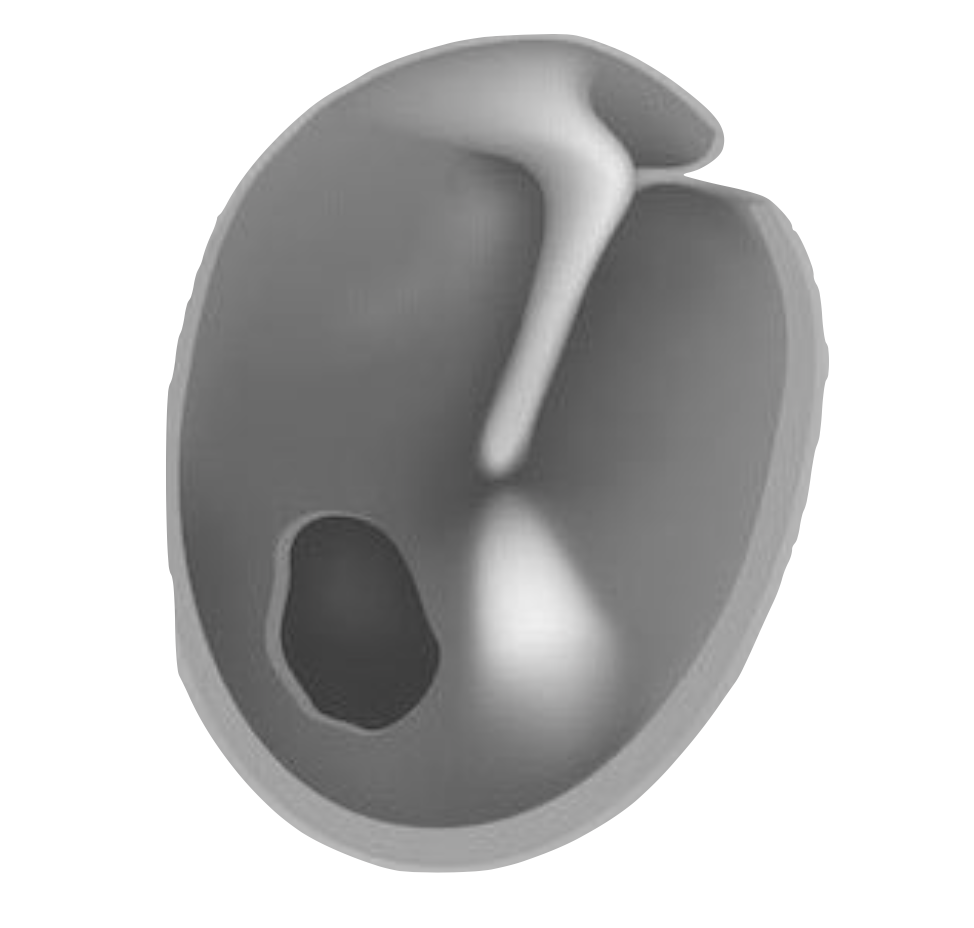
Tympanic Membrane Perforation Services
At Spokane ENT, we provide comprehensive evaluation and treatment of tympanic membrane perforations, which are holes or tears in the eardrum that can result from various causes including trauma, infection, or chronic middle ear disease. The tympanic membrane, or eardrum, is a thin membrane that separates the external ear canal from the middle ear and plays a crucial role in hearing by transmitting sound vibrations to the ossicles. When perforated, the eardrum can no longer function effectively, leading to conductive hearing loss and an increased risk of middle ear infections. Our team performs thorough evaluation including otoscopic examination, audiometric testing, and tympanometry to assess the size, location, and impact of the perforation on hearing function.
We utilize advanced diagnostic techniques to evaluate tympanic membrane perforations, including microscopic examination to visualize the perforation and assess the health of the surrounding eardrum tissue. Our evaluation includes assessment of the size and location of the perforation, the presence of infection or inflammation, and the condition of the middle ear structures including the ossicles. We also perform audiometric testing to quantify the degree of hearing loss and determine whether the perforation is the primary cause or if there are additional factors contributing to hearing impairment. This comprehensive evaluation helps us develop individualized treatment plans tailored to each patient's specific needs.
Our treatment approach for tympanic membrane perforations includes both medical management and surgical repair options. Small perforations may heal spontaneously with proper care and protection of the ear from water and trauma. For larger perforations or those that do not heal, we perform tympanoplasty, a surgical procedure to repair the eardrum using a graft of tissue, typically taken from behind the ear (temporalis fascia) or from cartilage. The procedure is typically performed under general anesthesia and may be done through the ear canal or through a small incision behind the ear, depending on the size and location of the perforation. Our surgeons have extensive experience with various tympanoplasty techniques and work to restore hearing function while preventing complications such as recurrent infections or further hearing loss. Following surgery, we provide comprehensive postoperative care including monitoring, ear canal packing, and follow-up appointments to ensure optimal healing and restoration of eardrum function.
Tympanic Membrane Perforation Resources
Frequently Asked Questions
Perforations can result from ear infections, trauma (including Q-tips), barotrauma, or previous ear surgery. Most small perforations heal on their own; larger ones may need repair.
Small perforations may heal with time and ear protection. Larger or non-healing perforations may require tympanoplasty (surgical repair) to restore the eardrum and improve hearing.
You should avoid water in the ear with a perforation to prevent infection. Your ENT may recommend earplugs or other precautions. Ask your provider for specific advice.
Tympanoplasty is surgery to repair a perforated eardrum. The surgeon may use a graft (often from your own tissue) to close the hole and restore the eardrum.
See an ENT if you have hearing loss, ear drainage, or a known or suspected perforation. Evaluation can determine if repair is needed and when it is appropriate.